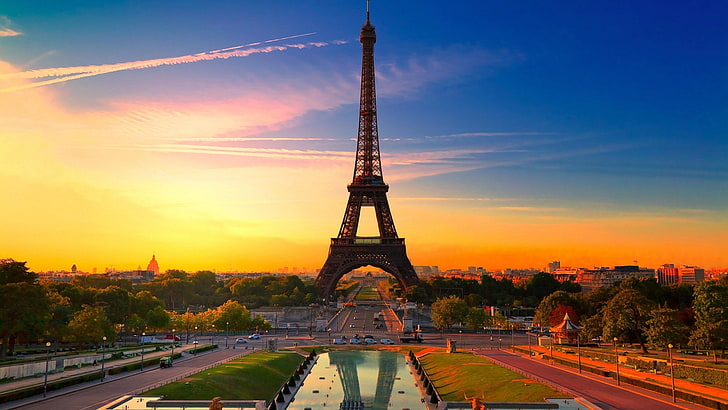
I definitely didn’t macaron choice with this one!

Bonjour et bienvenue à mon dernier article de blog! On Friday the 21st of February, the long-awaited food fair was held, celebrating French, Spanish and Italian cuisine. Everyone bought a dish from one of the cuisines mentioned. Can you guess what I made? What dish could possibly combine COFFEE, DESSERTS and FRANCE?
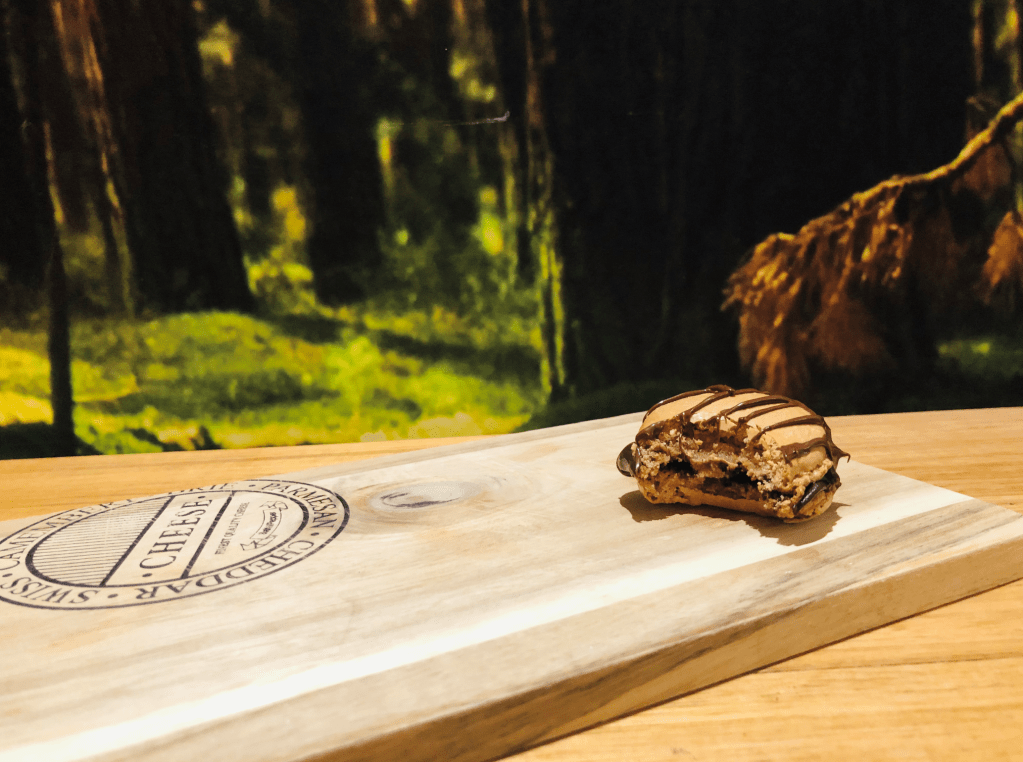
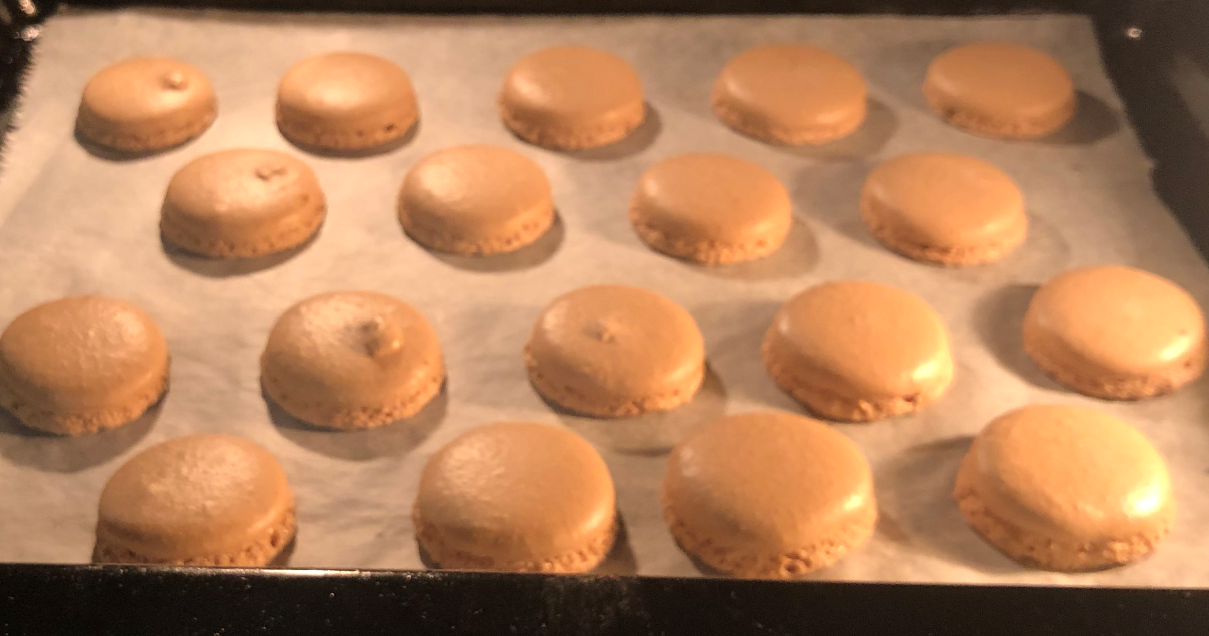
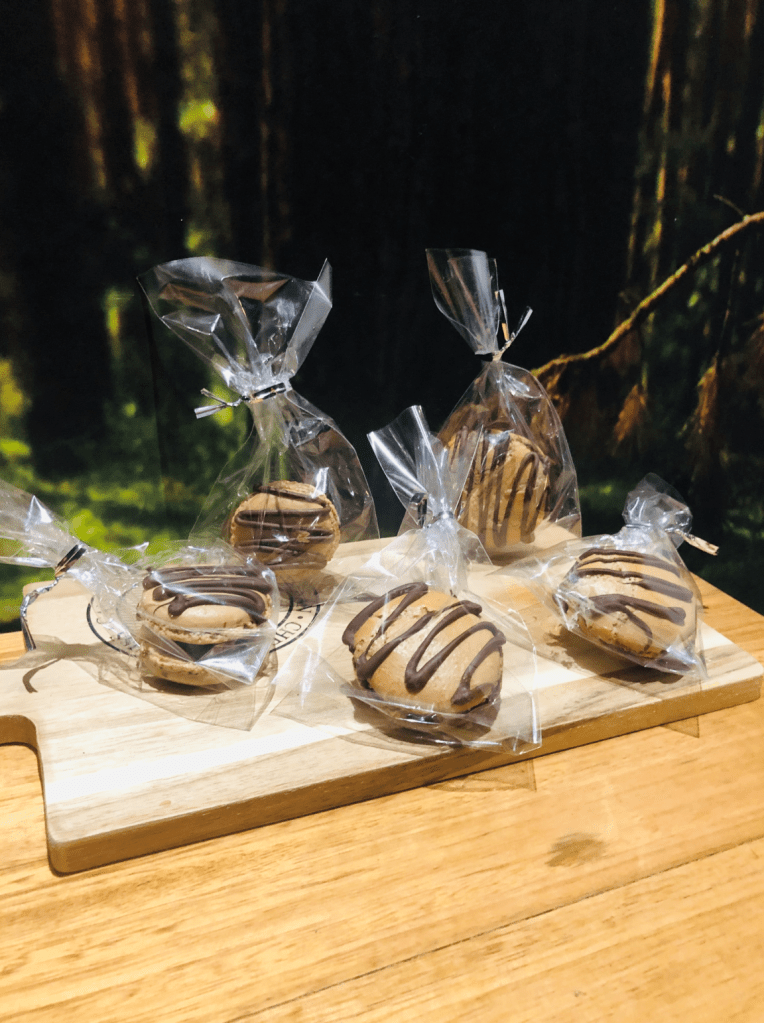
MOCHA MACARONS OF COURSE!!! I’m already drooling! I mean look at that crisp shell, the luscious ganache and elegant chocolate drizzle!

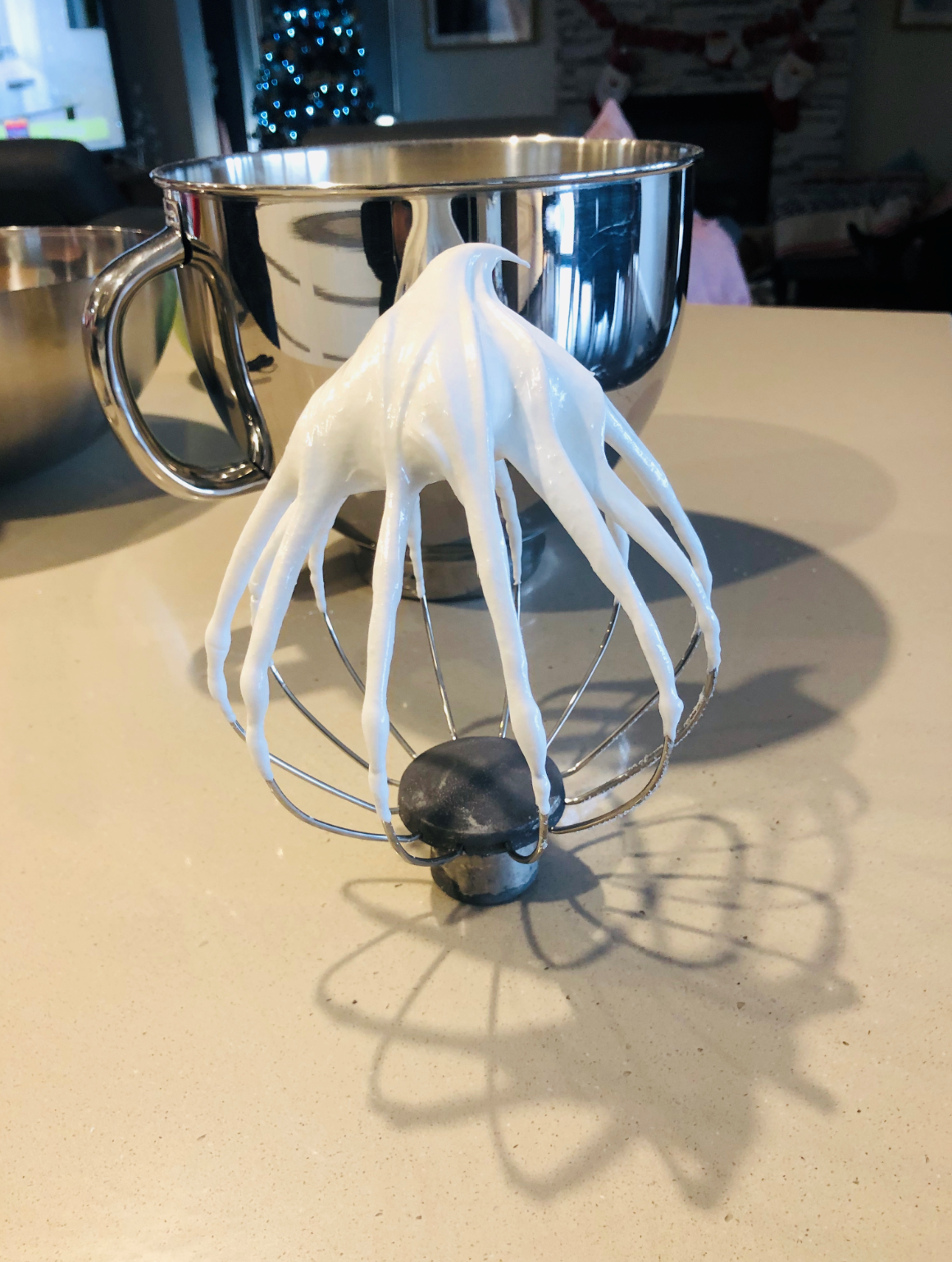
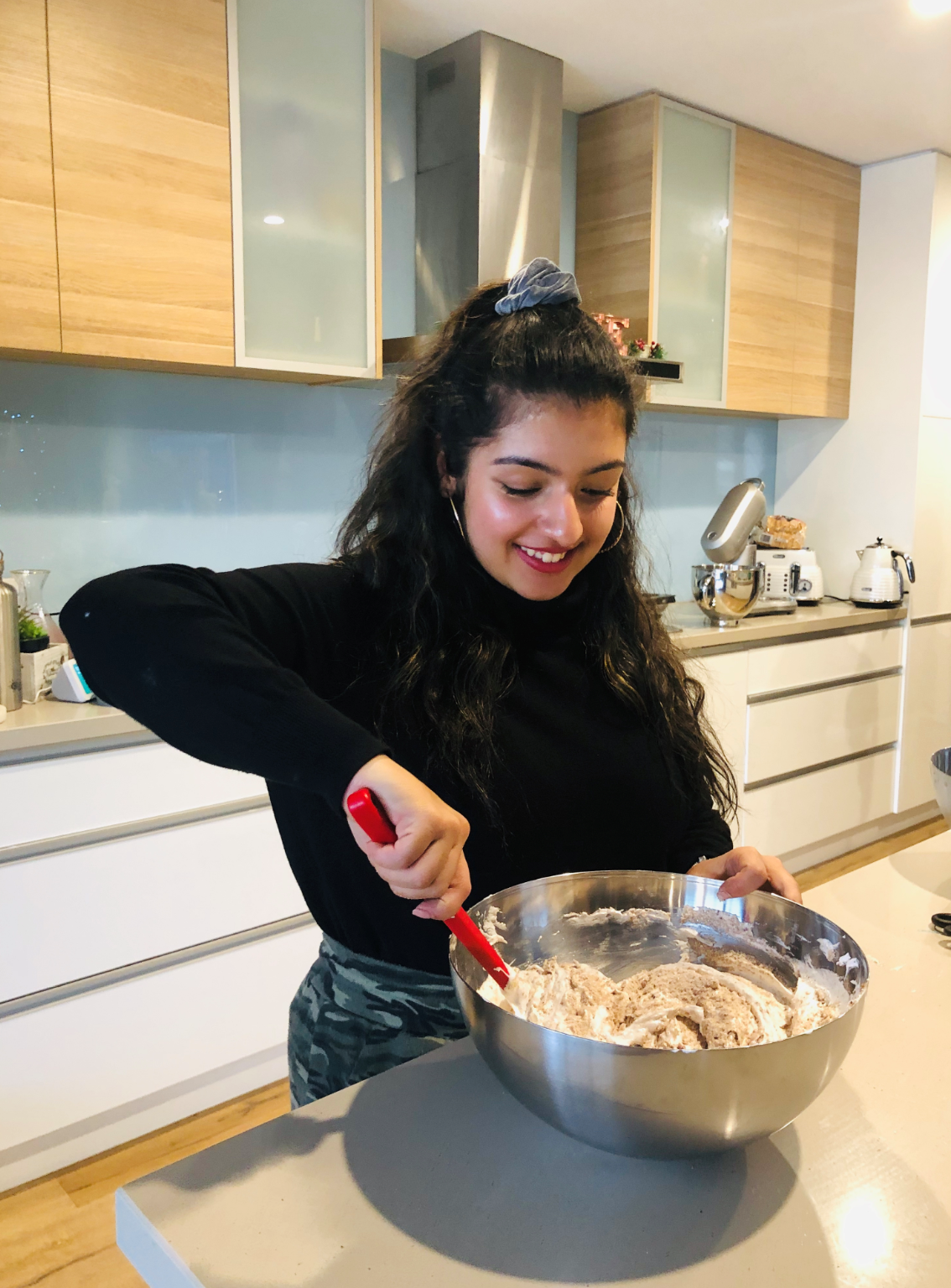
I could’ve chosen other desserts too, but this called to me. I found the science behind the dessert fascinating and challenging. The way the egg whites were whipped to form a glossy concoction, followed by the smooth folding known as the macaronnage (the hardest challenge I faced) and the way the little feet of the shells formed gave me pure joy.
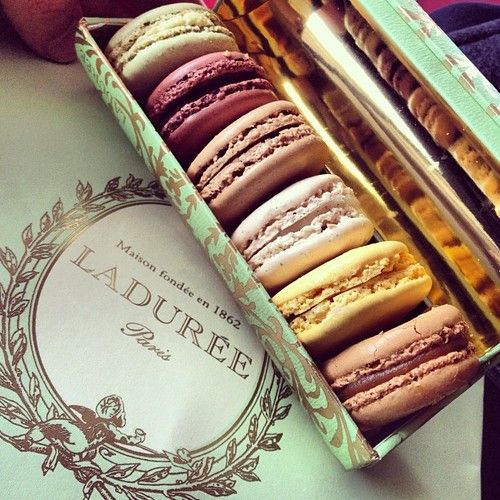
The origin of the dish is just as mind-boggling. It’s said that upon marrying Henry II in 1533, Catherine de Medici brought her pastry chef, who created the early forms of macarons. Then, amidst the French revolution, two Carmelite nuns caused the ‘macaron boom’ as they used their family recipe to make ends meet. Finally, the regionality of the invention was identified as ‘Parisian’ when Ladurée added fillings and called it the ‘Paris Macaron.’ I tried macarons from this bakery when I was in Paris, they were divine!
Giving my dish the ‘Khushi twist’ I decided to add a chocolate drizzle to showcase the elegance and used packaging with silver ribbon to provide that extra French flair! Overall, I was extremely proud of my dish and was glad that everyone enjoyed them – calling them “delicious” and “amazing”! What an absolute honour!
Is it Haute in here?

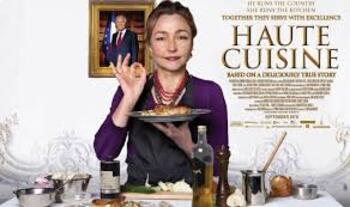
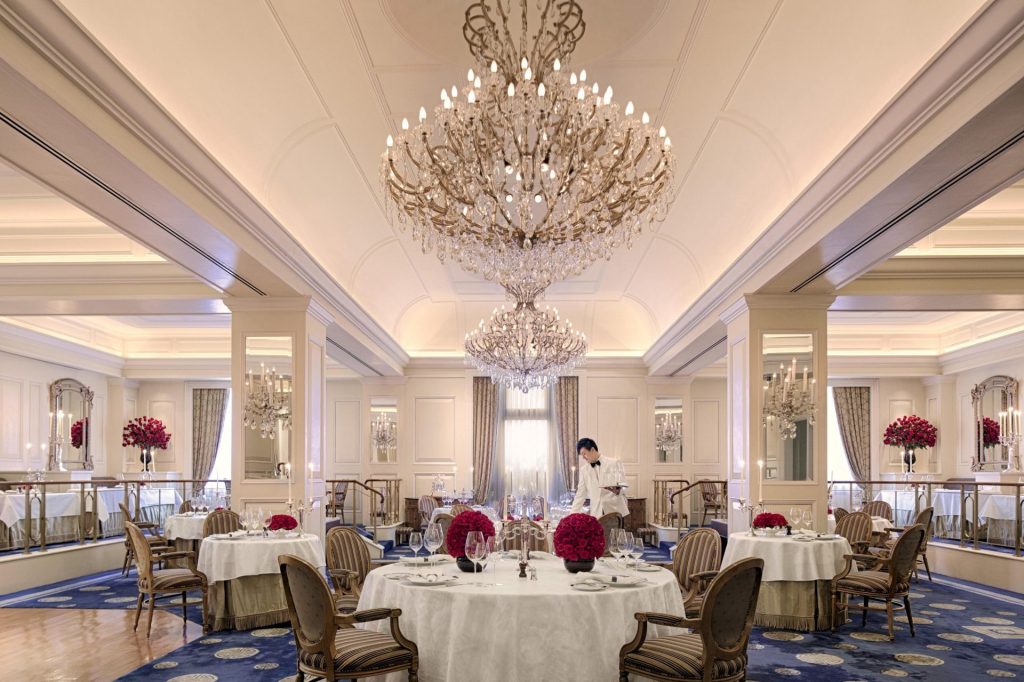
The thought of French cuisine transports me to an elegant restaurant flowered with marble and waiters in tuxedos. Quite the imagination, but I can’t help but realise that there is SO MUCH MORE to the cuisine than its stereotypical elegance. So, what else could there be apart from the pristinely plated food? Well, take my recommendation and watch the French movie Haute Cuisine directed by Christian Vincent.

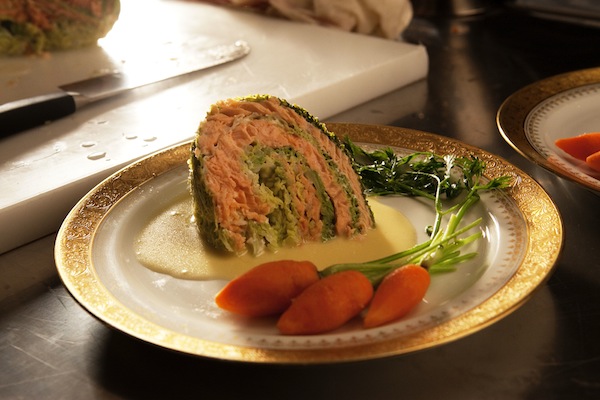
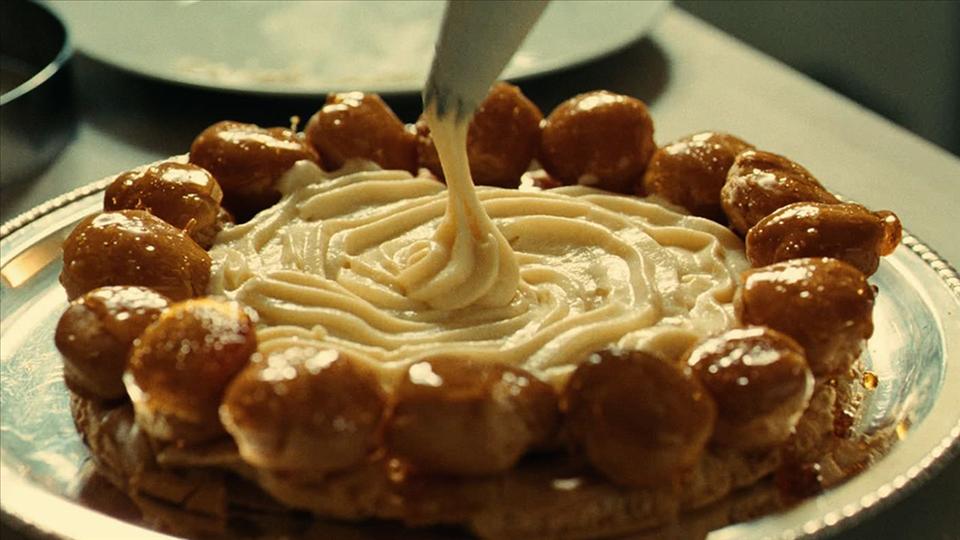
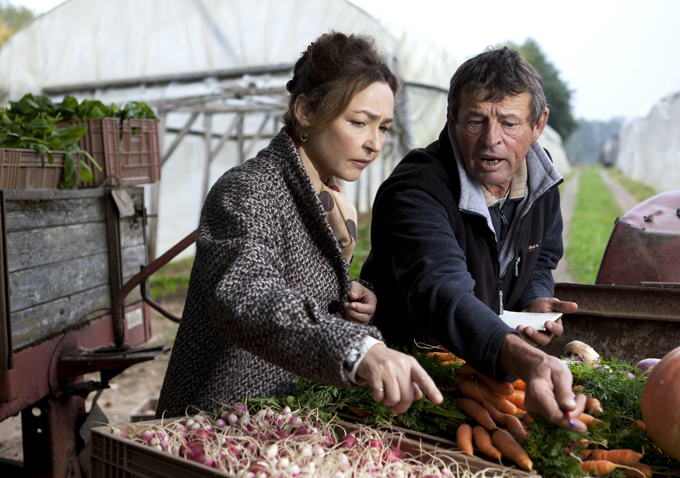
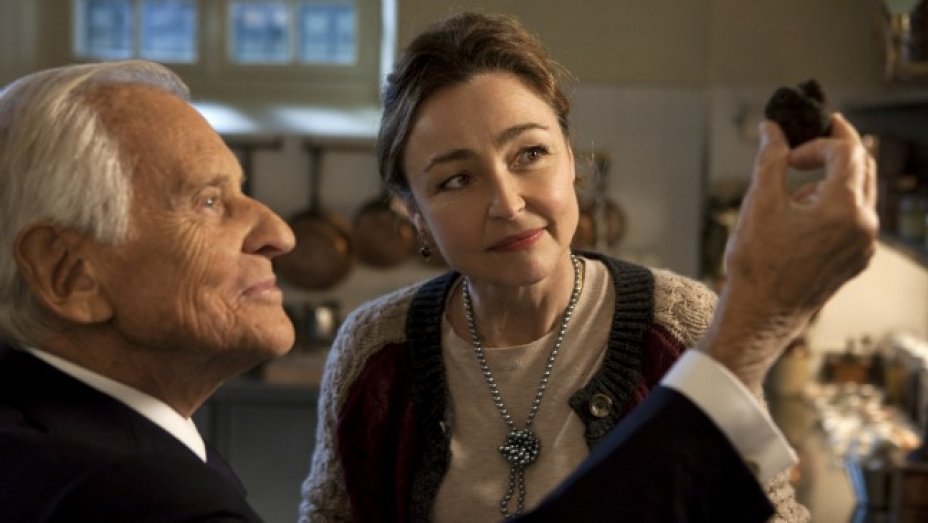
Scattered with an undeniable passion for the kitchen, the protagonist Hortense, delivers flashbacks of her time as the French president’s private kitchen cook. Vincent frames her cookery with so much attention, with the careful cutting of the salmon stuffed cabbage and delicate piping of grand memé’s crème on the St. Honoré. It’s clear this is a foodie’s dream movie! It just makes you hungry!

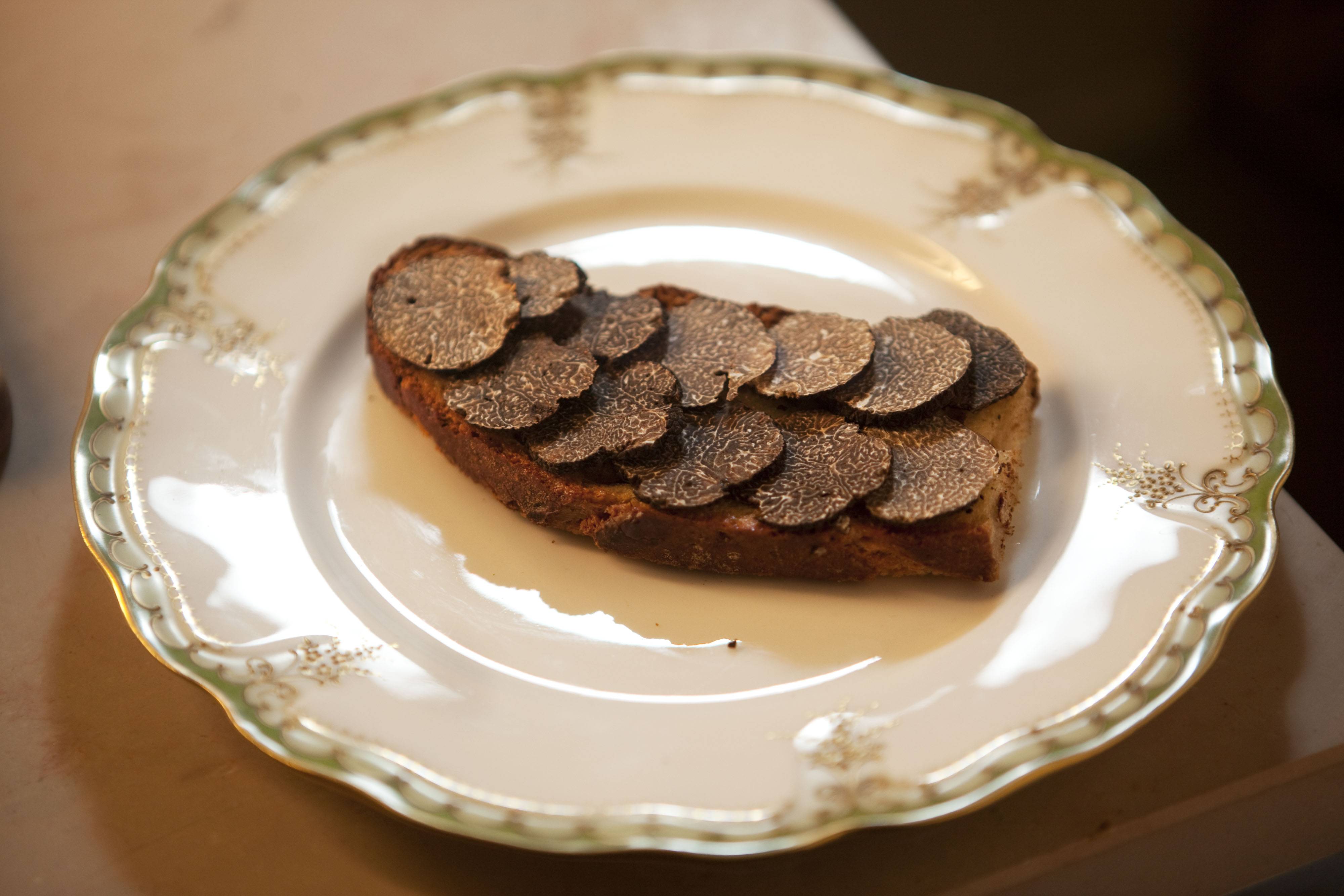
More importantly, Vincent spotlights the importance of simplicity and freshness in French Haute Cuisine. Living up to Carême’s ideologies, the importance of regionality and fresh produce is brought to light in a very special manner, such as when Hortense sources perfect quality produce from each region and when she uses her region’s truffle for an evening special with the president. Moreover, he differentiates nouvelle cuisine and haute cuisine with the difference in preparation of the main kitchen vs the private kitchen.

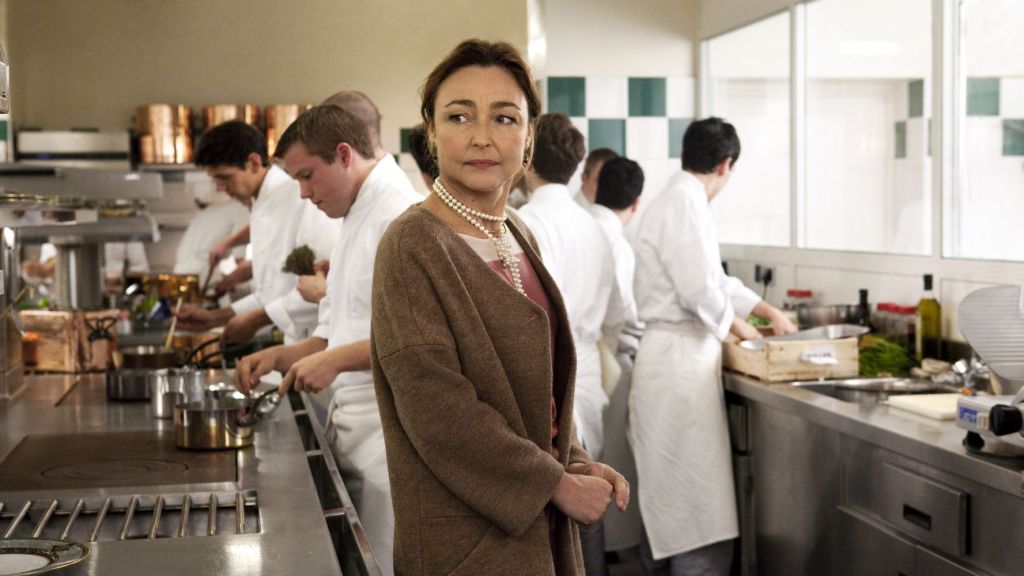
Likewise, gender is explored as stark contrasts between how women and men are treated in the world of cuisine are made. Juxtaposing the main kitchen’s men in pristine white clothing and the ‘private’ kitchen in which Hortense is portrayed as rustic, he focuses on how women are perceived as ‘home cooks’ while men are the ‘professional cooks.’

This film is simply spectacular!

My eyes cannoli be for dessert!

“Take the gun. Leave the cannoli”

Mario Puzo

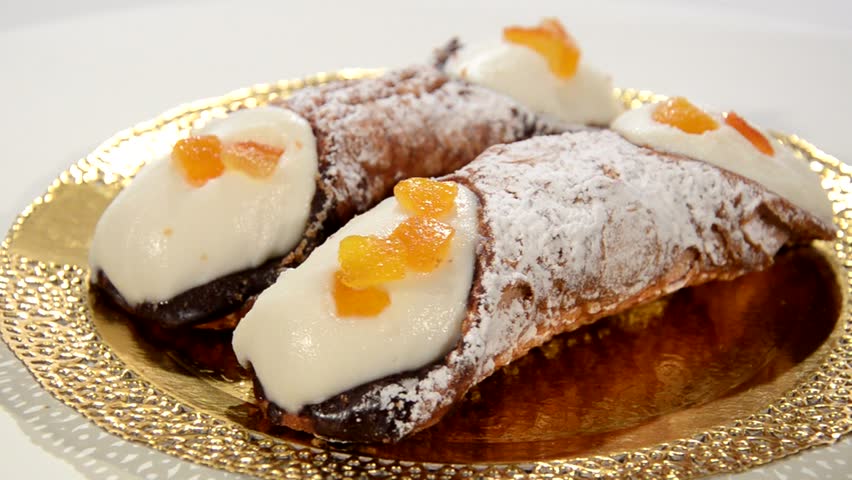
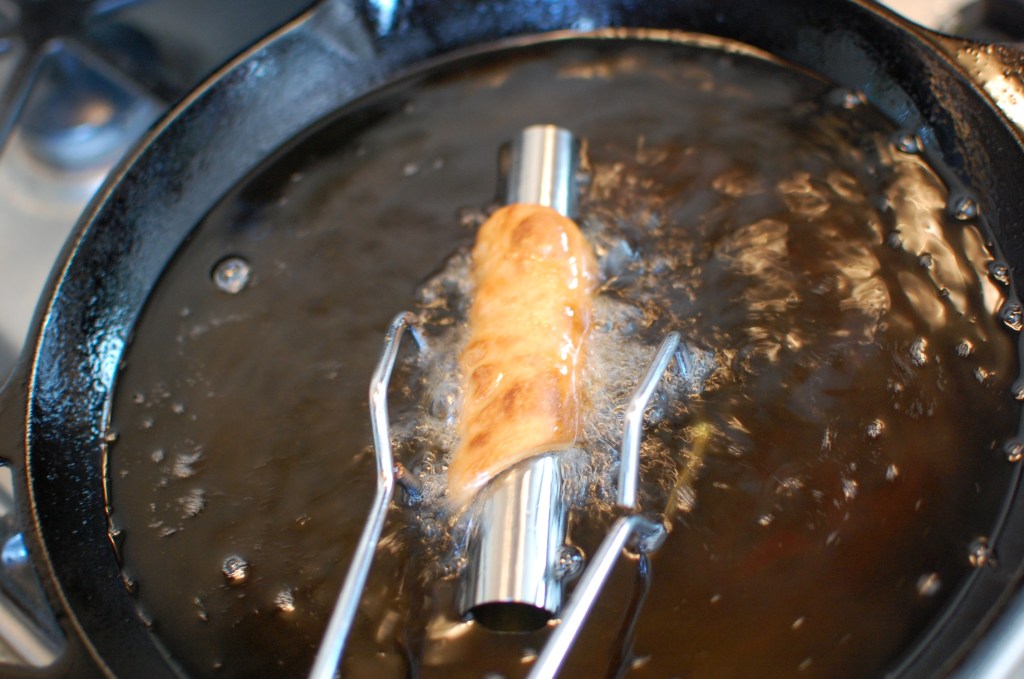
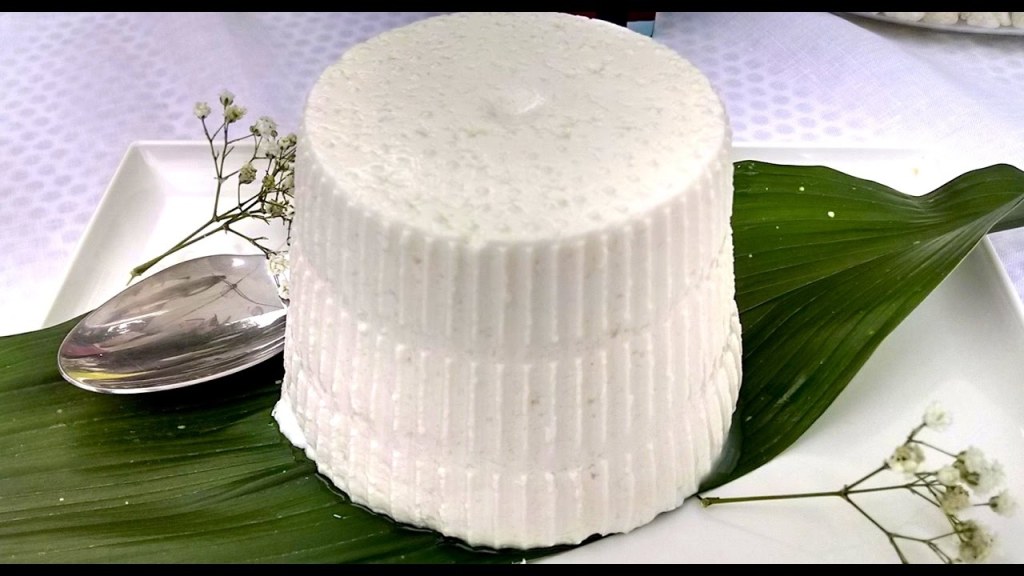
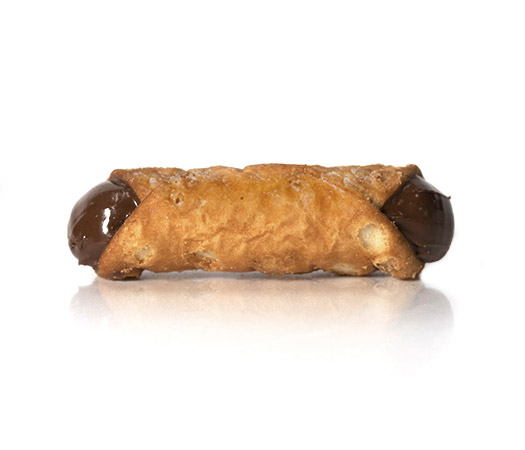
The flowers are blooming and you’re unsure how to treat yourself…well…I have the perfetto solution for you…I present the magnificent Cannoli! If you’ve visited Sicily before and DID NOT try this dish…mamma mia…it’s like you never visited at all! A crispy golden shell fried in lard is filled with sheep’s ricotta, whilst the ends are sprinkled with chocolate, pistachio and candied fruit. DIVINE!

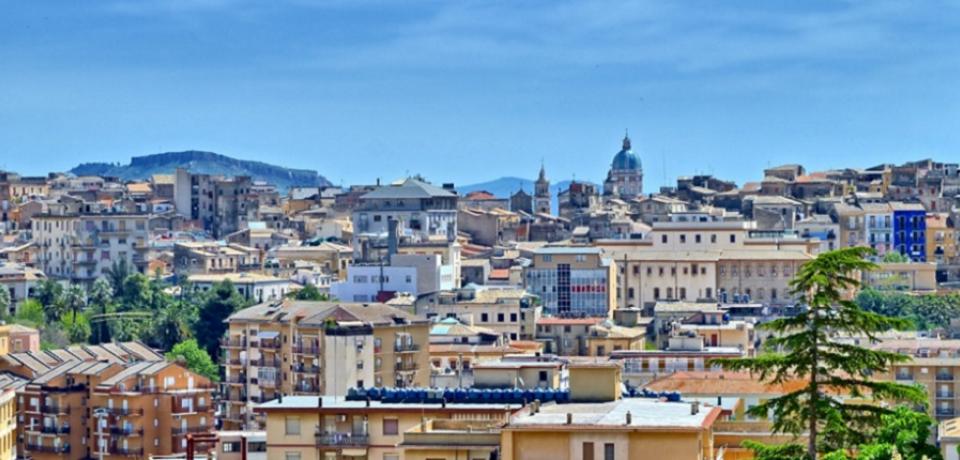
Modern day Caltanissetta

It’s believed that this dish originated in the city of Caltanissetta (Sicily), however there are two sides to it. The first is during the Arab domination, in which the concubines created this dish when they wanted to impress the prince and thus sweetened ricotta with sugar (quite characteristic of the Moors). The second dictates that after the end of the domination, a recipe was handed down by Muslim women to the Christian nuns who then made the dish as a celebratory dessert for Carnivale. What’s amazing is that it was the women of the middle class that had the influence in making this into a regional dish of Sicily even though men were thought to be the chefs at the time!

Reflecting Artusi’s importance on regionality, it was tradition to use sheep ricotta found in the local region. Moreover, it was custom to fry the shell in lard to make it extra crispy, but also differentiate their recipe from the Muslim one!

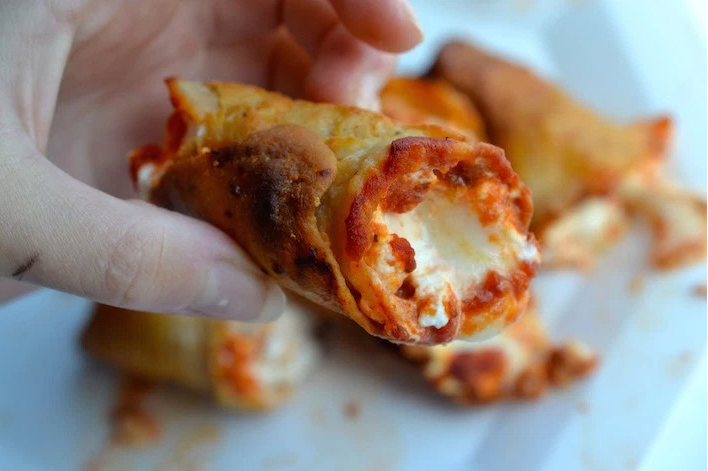
Whooshing back, there have been many changes, such as the substitution of mascarpone for ricotta due to limited availability of the latter in America! Other recreations are Nutella cannoli or the savoury New York pizza cannoli. What a change migration can have!

Put simply, Cannoli is the tube of heaven!

Next stop: Gertrude St

Please remember to touch on your myki

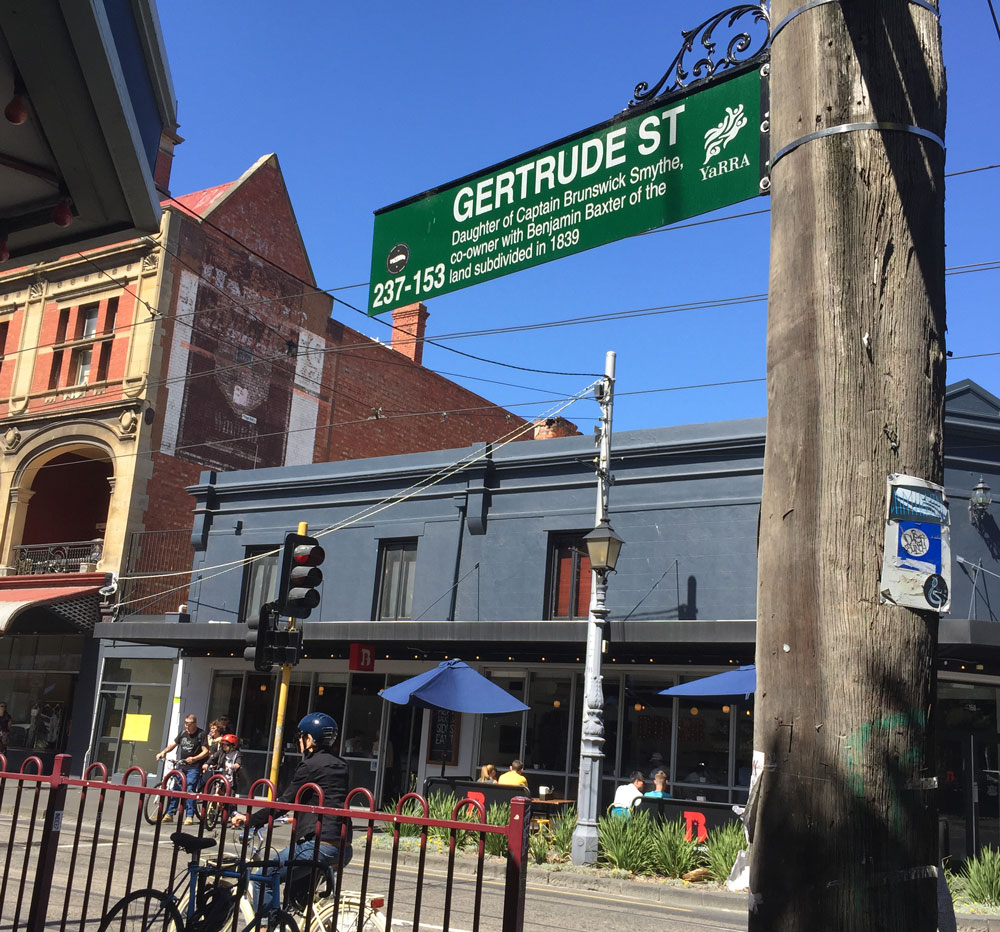
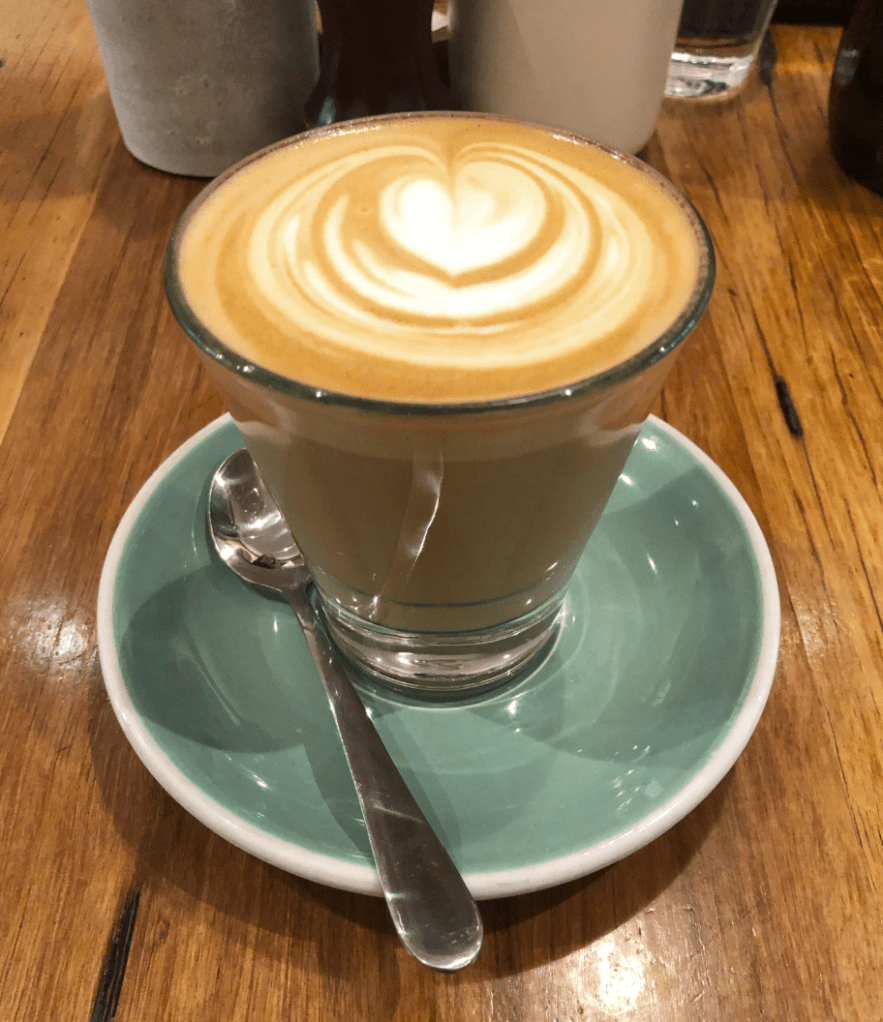
Welcome Back! It’s time to take a trip down memory lane with the modern streetscape known as Gertrude St. Embracing the classic bustle and multiculturalism of Melbournian life, the street was scattered with food venues. Whilst the majority were Italian there were little sprinklings of Spanish, French, Australian and American cuisine. Being only 1km long it still managed to embody every Melbournian’s true love – café culture. Perfect for a coffee addict like me! My only wish – MORE DESSERTS!

COFFEE!!!!

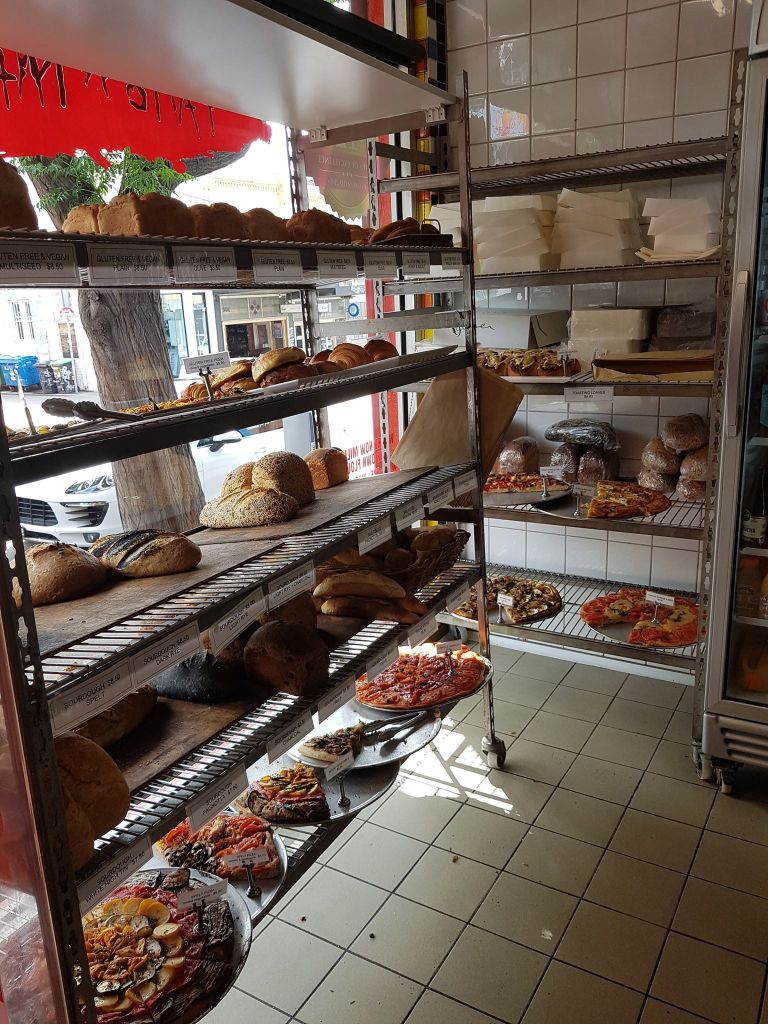
Whilst walking, you couldn’t help but admire the energetic feel you got from people sauntering from store to store or the unique aromas of each food venue. I remember walking past an italian bakery and smelling the warm, fresh baked bread! Delish!

Fatto A Mano – Italian bakery

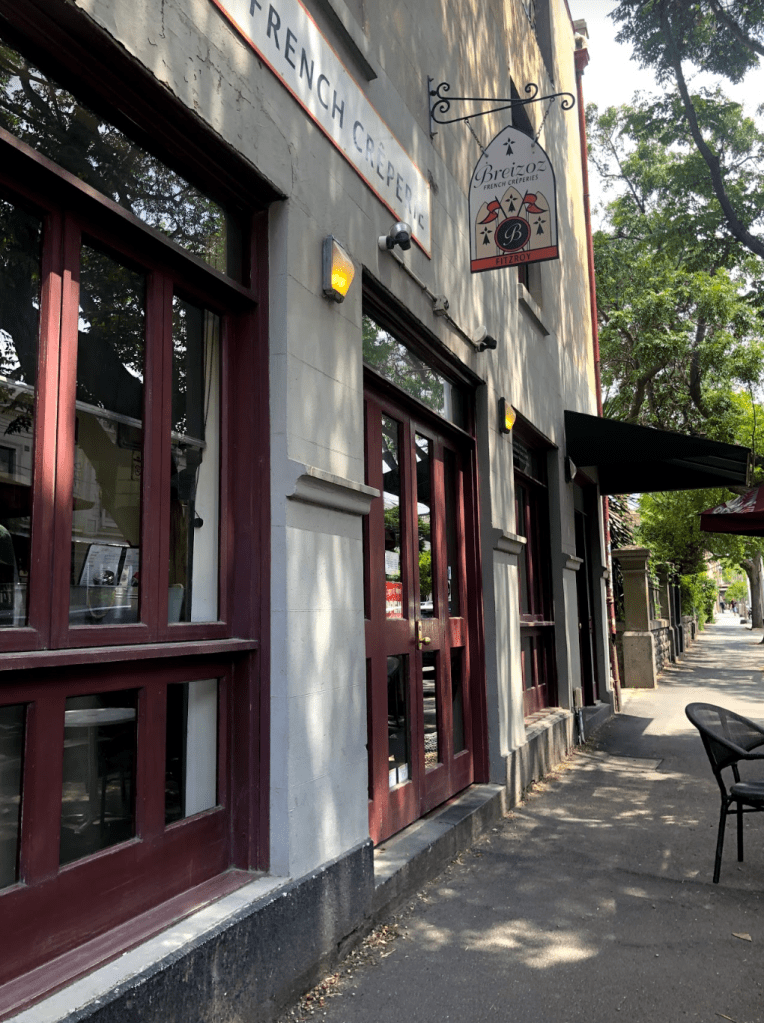
The sound of the occasional tram bells coupled with friendly chatter between friends made me feel even more ecstatic than I originally was. Evoking nostalgia, I was taken back to the time my friends and I visited after my first semester of exams. But most precious of all, my European trip was brought back with the French style decor and cobblestone facades.

Creperie with the french style vintage banner

Having visited the street before this review, I never realized the cultural significance of the streetscape. Being in a multicultural environment, each restaurant aimed to bring its own spin on their food yet adapted to the Melbourne food scene through food, opening hours and ambience, making it a palatable place to visit. But more importantly, due to early migration of Italians to the Fitzroy area in the 19th century, it now makes sense why Italian cuisine was so common. My mind was blown!

The Apple of my Foodie Eye

“La bonne cuisine est la base du véritable bonheur”

— Auguste Escoffier

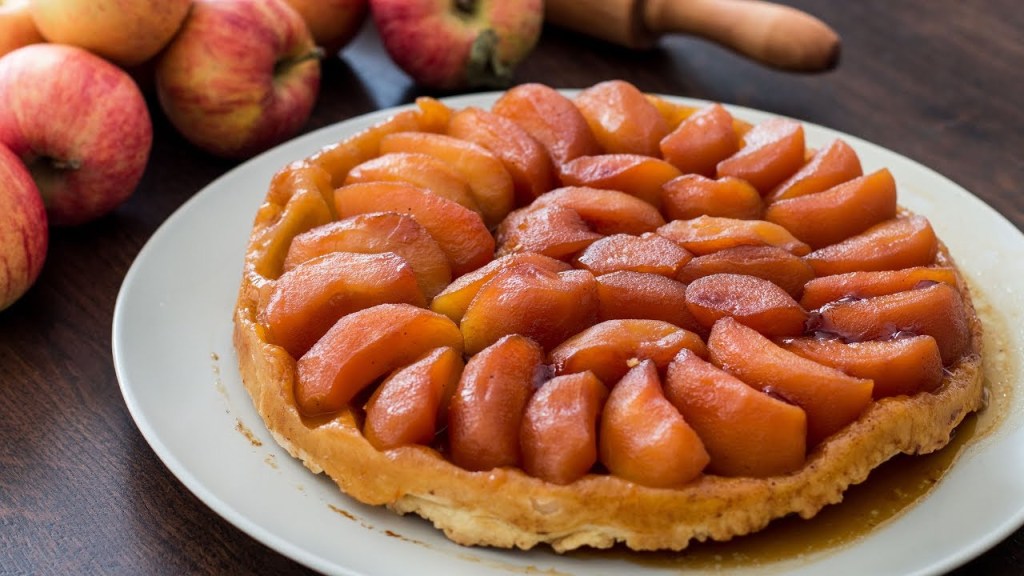
Bonjour et bienvenue à mon premier article de blog! You’re probably wondering what that stunning golden and crisp image above is…well…let me introduce you to the Tarte Tatin!

Using apples soaked in butter and sugar atop a buttery pastry, the tart is baked to produce a mouthwatering concoction. Born in the rural town of Lamotte-Beuvron in the Loire Valley of France, Tarte Tatin is quite the beacon of light for the region. Let’s travel back and delve into the creation of this masterpiece. *cue whooshing*

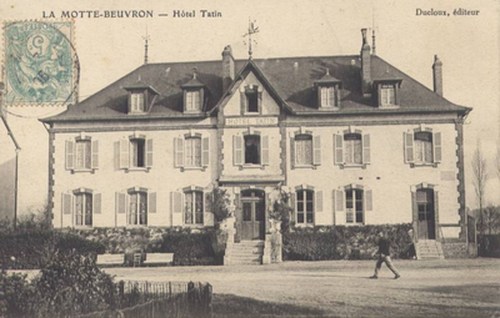
In 1988, there was the l’hotel Tatin owned by Carolina and Stephanie Tatin. It’s said that one day it got so busy at the hotel that Stephanie put her tart in the oven upside down, forming an upside-down tart. BUT… rather than being called Tarte Tatin it was Tarte Solognote, named after the surrounding region of Lamotte-Beuvron. Funny thing the French have with naming food after significant people/places…I hope they’ve all thanked Carême. But, It was only after Maxim’s (restaurant) owner put the dish on his menu, that it got the name ”Tarte des Demoiselles Tatin” *cue applause*

Fast forward to the future and we can recreate this dish with a simple google search. Talking of recreations…you’d be amazed at how this haute cuisine has turned into la nouvelle cuisine!

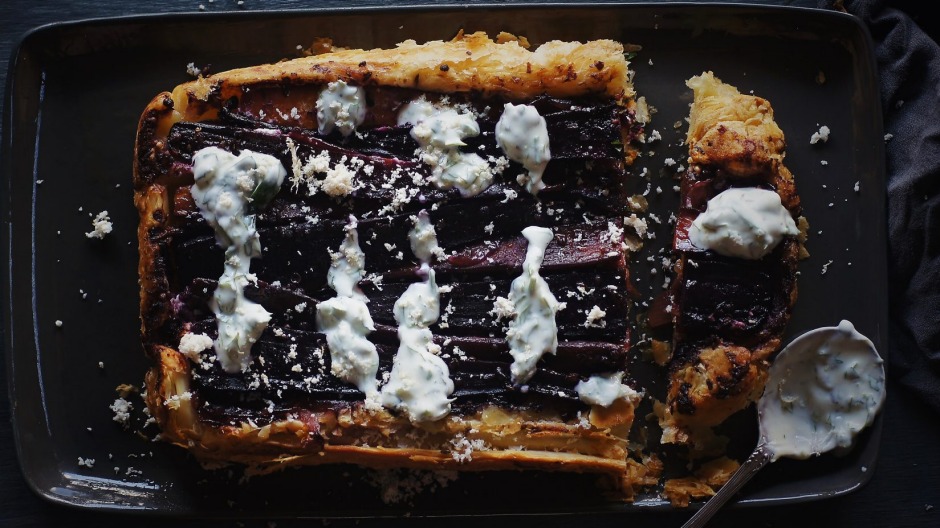
Above, is the Aussie spin on the tart, channeling earthy flavours. Then, you have the American with maple syrup, but one of the most awe-inspiring transformations would be Pomze’s Tarte Tatin in Paris.

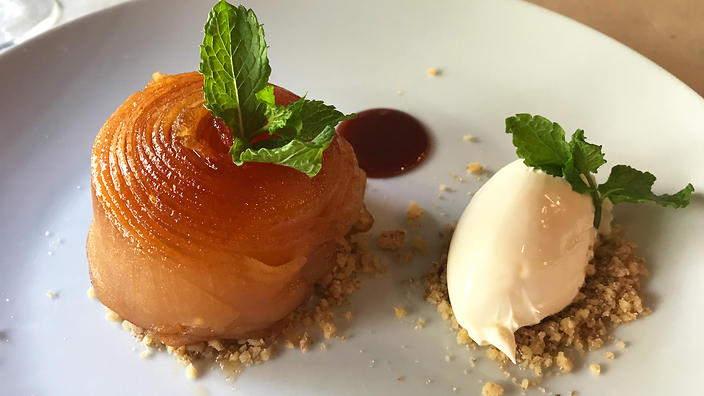
Influenced from Japan is “Tarte Tatin en mille feuilles de pommes confites et crème fraîche de Normandie” (there’s that naming thing again).

As a dessert fanatic, YUM!!

About Me

Hello! Bonjour! Namaste! My name is Khushi Kalra and I am obssessed with all things food and European. Just incase the blog didn’t give it away already! You’re probably wondering how you landed here…whether you went on a recent trip to Europe, are intrigued by European cuisine or are in love with desserts like me…follow along my journey through the infinite adventure of a food lover’s dream 🙂

Design a site like this with WordPress.com
Get started